From Concept to Asset Class: What Build-to-Rent Has Proven in Three Years
Build-to-rent isn't an experiment anymore. It's a functioning asset class.
What began as a theoretical response to Australia’s housing crisis has quickly established itself as a proven market reality. The broader conversation has shifted from speculative potential to tangible performance, and the transition has taken place at speed.
Through 2025, the sector expanded significantly as new projects matured, pushing the national pipeline past $30 billion across nearly 40,000 apartments. But this rapid growth has not occurred in a vacuum. It has directly exposed the deep cracks in Australia's traditional housing system, while simultaneously proving there is a better way forward.
The fundamental issue is that the traditional rental market is built on a fragmented, unpredictable model. For decades, Australia has relied almost entirely on individual mum-and-dad landlords to house its renting population. When supply depends on individual financial situations, true stability is impossible to guarantee. If a landlord decides to sell, a tenant is forced to move. This structure leaves thousands of Australians navigating a system defined by constant rental anxiety, short leases, and a living experience determined entirely by the luck of the draw. As macro-economic pressures increase, this fragile foundation simply can no longer support the needs of modern renters.
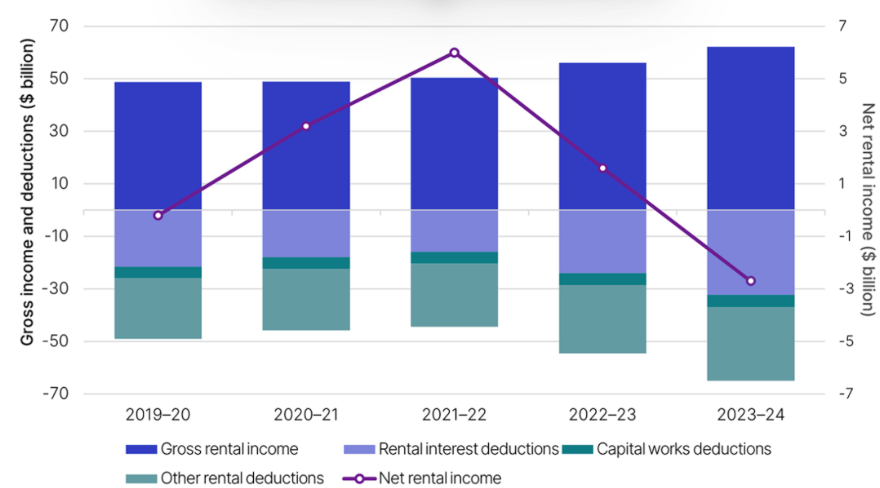
This instability is evidenced by recent reporting from realestate.com.au, where research from property analytics group FoundIt showed investors offloading rental properties at a rapid pace following policy changes.
However, the current momentum behind build-to-rent is not a temporary trend. It reflects a fundamental, long-term shift in how Australians choose to live.
More people are renting for longer periods of their lives. Some are prioritising geographical flexibility, others are delaying homeownership, but the common thread is that people are demanding a rental experience that is secure, consistent, and professionally managed. The industry is no longer questioning whether build-to-rent has a place in Australia. The data has answered that. The focus has now shifted entirely to delivery, and how operators can scale responsibly to meet this massive wave of demand.
The build-to-rent model addresses these systemic issues by completely realigning incentives. Because a single institutional operator owns and manages the entire building, they don't build to sell, they build to hold. When performance is measured over decades rather than a quick capital gain, the priority shifts entirely to investing heavily in the daily experience of the resident.
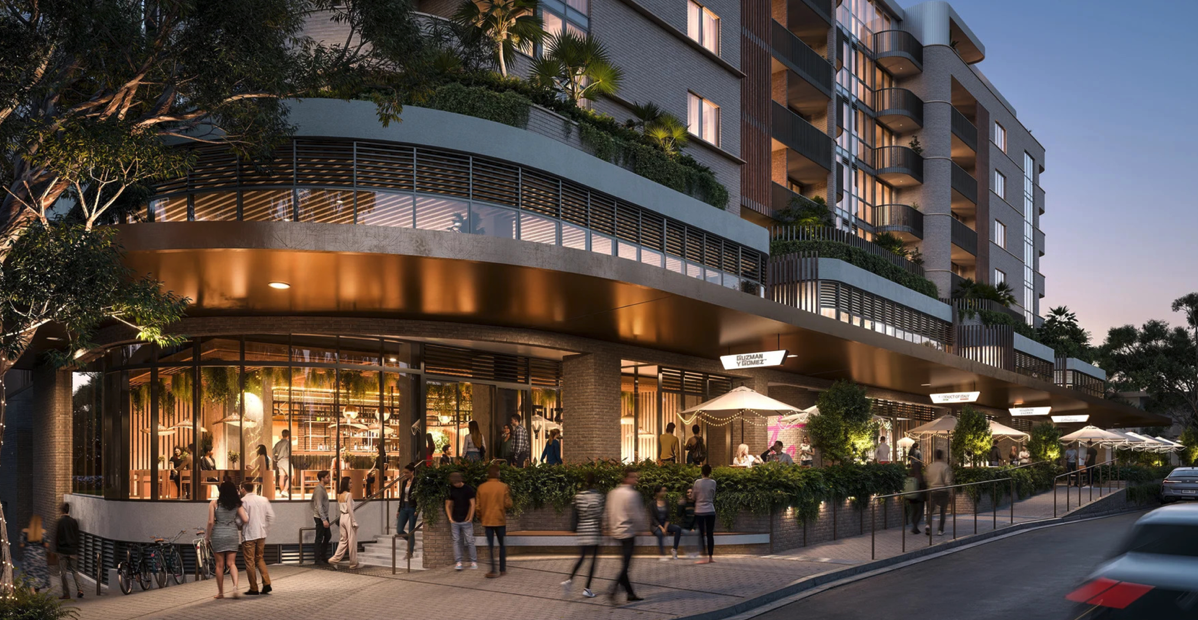
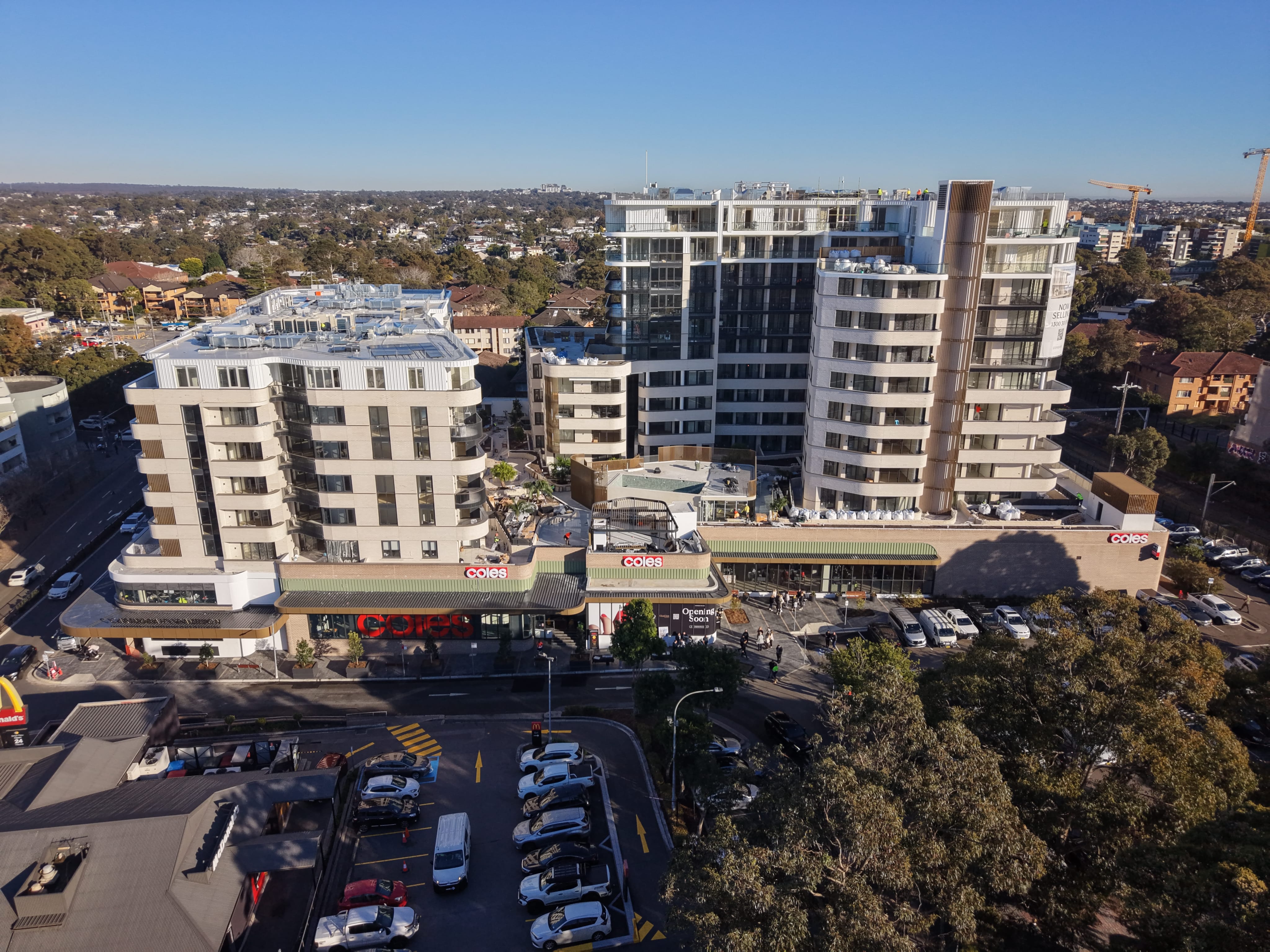
At Conquest, that is exactly how we approached Arte Caringbah. As the Sutherland Shire’s first purpose-built rental community, it was designed from day one to eliminate traditional rental anxieties and treat renting as a premium lifestyle choice.
Situated within the Caringbah Pavilion lifestyle precinct, convenience is integrated directly into the building with Coles, Liquorland, and on-site childcare at ground level. There are no distant landlords or reactive property managers. Instead, residents have direct access to dedicated on-site management teams, secure multi-year lease options, and resort-style amenities built specifically for them.
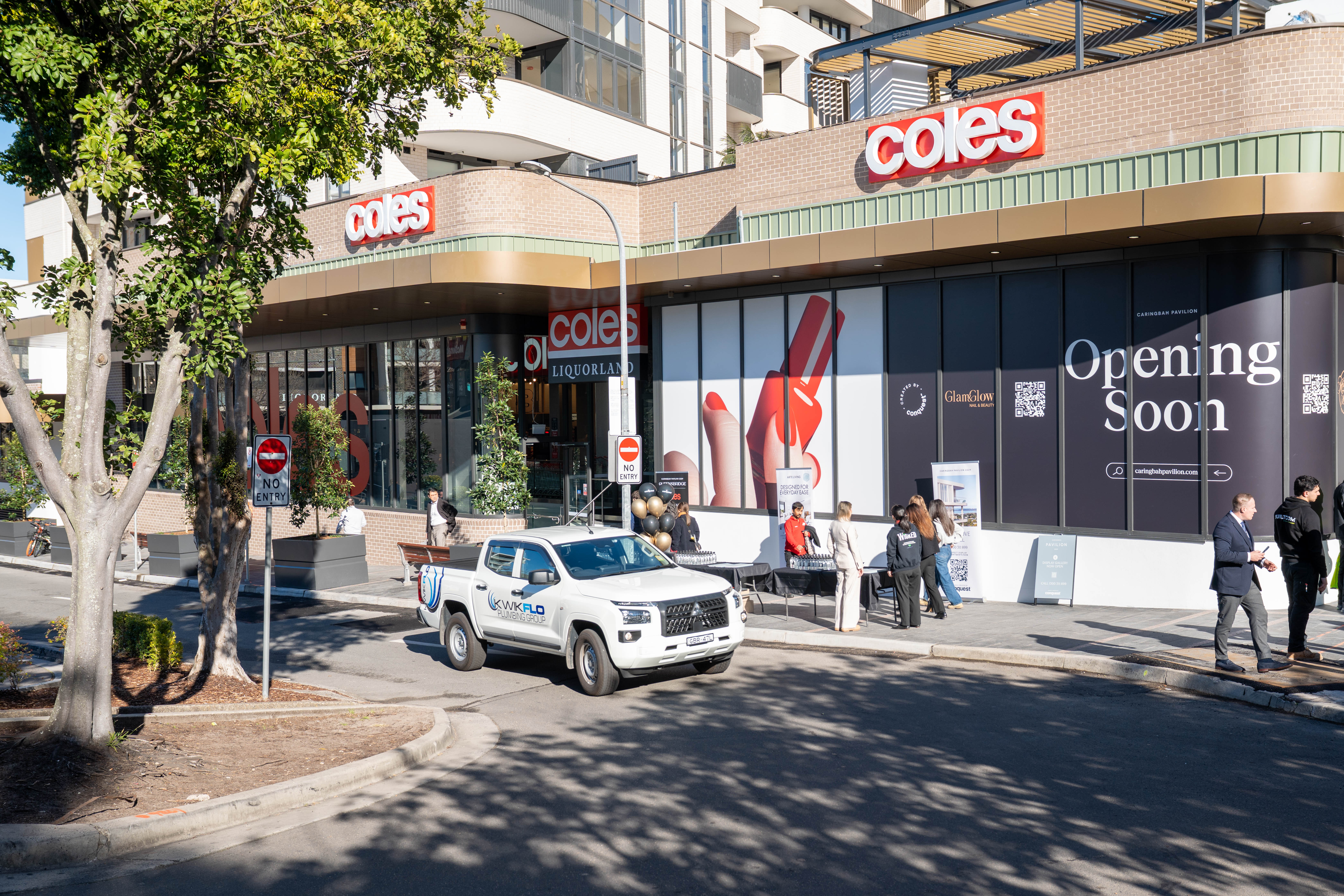
Build-to-rent is no longer just an emerging idea on paper. Through communities like Arte Caringbah, it is actively proving itself as a permanent, stable, and vital part of Australia's housing future.
Discover a stable, considered way to live.
Register your interest or book a private tour at arteliving.com