Rethinking Sydney’s Airspace to Unlock Housing Supply

Why Outdated Aviation Rules are Capping the Potential of our Best-Connected Inner Suburbs
Sydney faces a critical shortage of homes located close to jobs, transport, schools and established services. While state and local governments push for rezoning and increased density to meet ambitious housing targets, an invisible barrier is quietly working against these efforts. In well-connected inner-ring suburbs, aviation height restrictions established for an entirely different era continue to flatten the skyline and restrict growth.
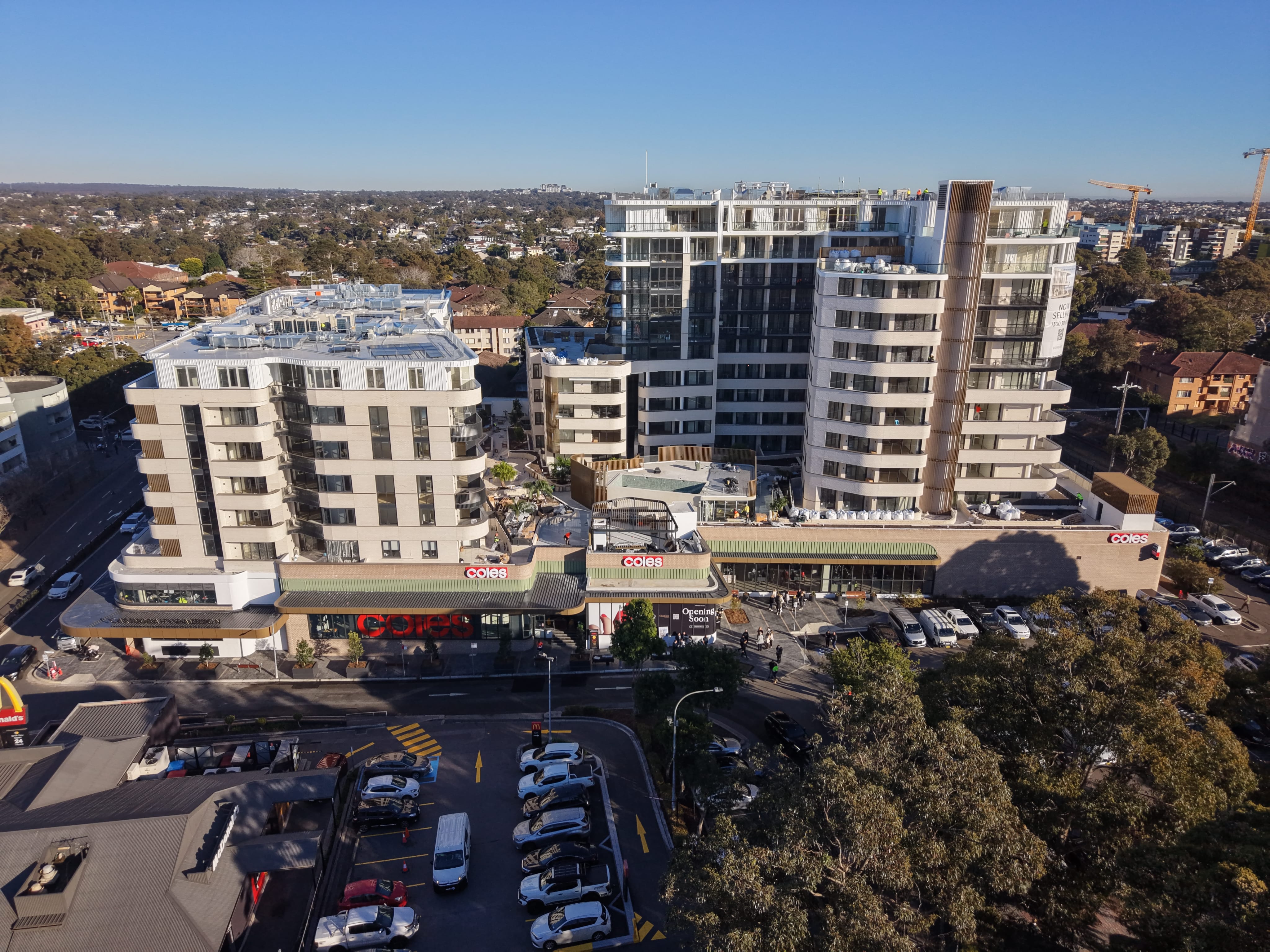
Suburbs like Eastlakes, Mascot and Pagewood sit close to the CBD, major employment hubs, retail centres and public transport networks. As Conquest CEO Michael Akkawi recently highlighted, these are precisely the locations where a growing city should be concentrating population growth. Instead, valuable urban land is being sterilised by airspace regulations that no longer match modern operational realities.
While passenger and community safety must always remain non-negotiable, safety is distinct from unreviewable regulations. Sydney has allowed these two separate concepts to be treated as one for far too long.

The arrival of Western Sydney International Airport creates the perfect opportunity for a thorough rethink. As a 24/7, curfew-free facility designed to support long-term aviation growth, it fundamentally changes the city's transport dynamics. Now that Sydney is genuinely a dual-airport city, the federal and state governments have both the opportunity and the obligation to test whether the land surrounding Kingsford Smith Airport is being constrained more than necessary.
In his original piece, Michael put forward three key questions that a serious, evidence-based review must address:
- Do current protected airspace assumptions reflect modern satellite navigation, advanced aircraft capabilities and precise route design, or do they simply reflect inherited conservatism?
- Could flight paths make smarter use of geography, including over-water operations where safe and feasible, to reduce the burden on established residential communities?
- Can state housing policy and federal aviation policy finally align under a unified city-making agenda, rather than having one arm of government demand housing supply while another caps it?

This is not an argument for reckless overdevelopment. The cost of leaving these settings unexamined is not carried by developers. It is carried by workers pushed further from their jobs, families paying more for housing, and a city spending billions on infrastructure catch-up because growth is restricted where services already exist.
The solution requires a disciplined approach to review the settings, test the assumptions, separate genuine safety necessity from regulatory inertia, and modernise the rules where the evidence supports change. Sydney cannot solve its current housing crisis using historical rules that no one is prepared to re-examine.
This article first appeared on Conquest CEO, Michael Akkawi’s LinkedIn page.